


services
Advanced Wound Care and Regenerative Medicine
Chronic and non-healing wounds can seriously affect your quality of life. At Taskin Clinic, we combine advanced wound care methods with modern regenerative medicine techniques to provide a comprehensive solution for faster and more sustainable healing.
Wound Care Methods
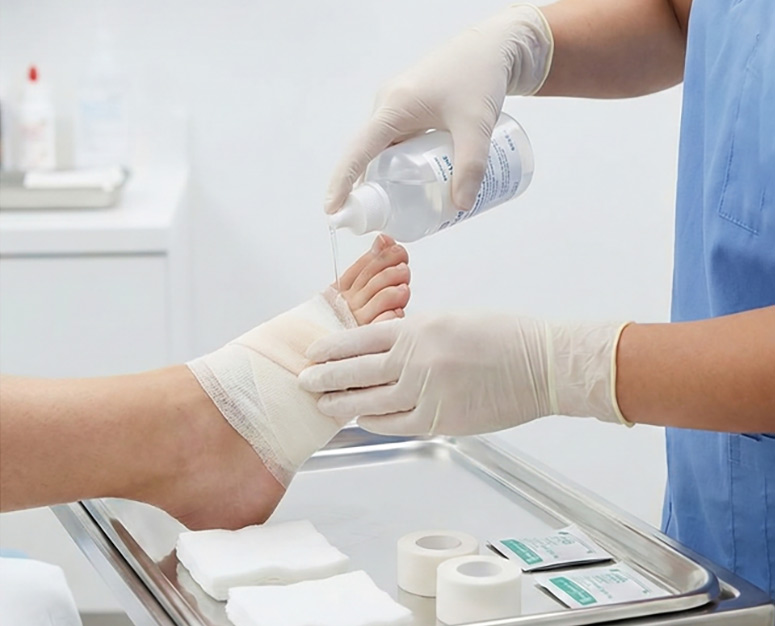
Basic Wound Care Techniques
In general, standard care for any wound includes the following four steps, and our initial approach follows the same principles.
Cleansing
Debridement
Wound Bed Preparation
Dressing
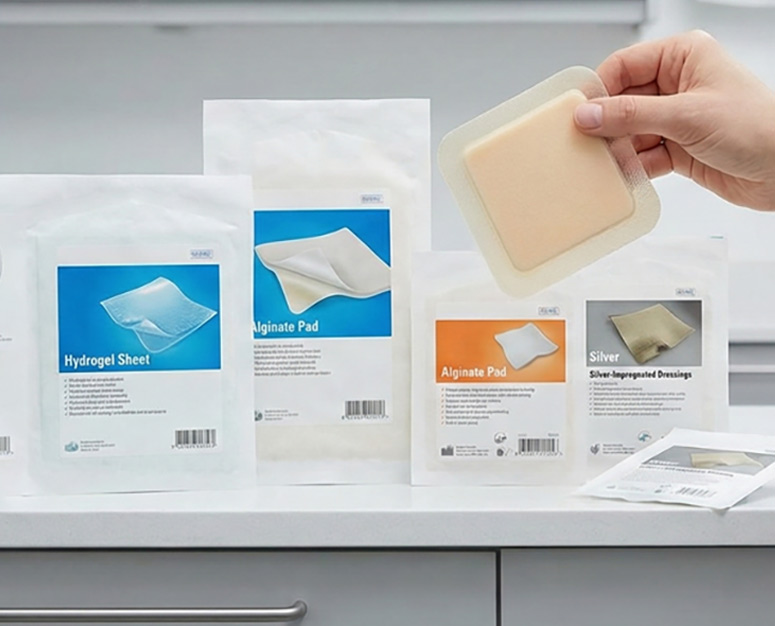
Advanced Dressings
Use of advanced dressings based on the wound type and depth:
Polyurethane foams: for absorbing heavy exudate and maintaining optimal moisture
Calcium alginate: for bleeding control and healing of deep wounds with heavy discharge
Hydrogels: for dry or necrotic wounds that require moisture
Hydrocolloids: for protection and acceleration of healing in superficial to moderate wounds
Silver dressings: for infection control and prevention of bacterial growth
Collagen dressings: to stimulate new tissue growth and promote faster recovery


Regenerative and Cell-Based Therapies
The most innovative wound treatment methods using the body's natural cells and growth factors.
Personalized Care Approach

Medical history review
Wound culture if infection is suspected
Designing an individualized treatment plan

Wound measurement and photography
Assessment of healing progress
Checking for infection or complications
Adjustment of medication and dressing
Nutrition and lifestyle counseling

Answering urgent wound-related questions
Alerting for warning signs (fever, pus, redness)
Scheduling emergency appointments if needed

Complete electronic medical record
Wound photo gallery (before, during, after)
Healing progress chart
Reports for attending physician or insurance





Frequently Asked Questions
About Regenerative Treatments
About NPWT and HBOT
Other Questions...
Important Tips for Patients
Before Your Visit
- Prepare a list of all medications you are taking
- Bring your recent lab test results
- Bring previous wound photos (if available)
- Write down your questions in advance
- Wear comfortable clothes suitable for examination
During Treatment
- Follow your doctor’s instructions exactly
- Attend your appointments on time
- Report any wound changes to the nurse
- Maintain a high-protein diet
- Monitor your blood sugar (if diabetic)
- Avoid smoking and alcohol
Warning Signs (Contact Us Immediately)
- Fever above 38°C
- Severe redness or swelling around the wound
- Pus discharge with foul odor
- Severe or persistent pain
- Heavy bleeding
- Feeling of coldness or numbness in the area